
GUNSMITHING SERVICES: Skin bedding pre-inletted rifle stock
From $755.00
Description
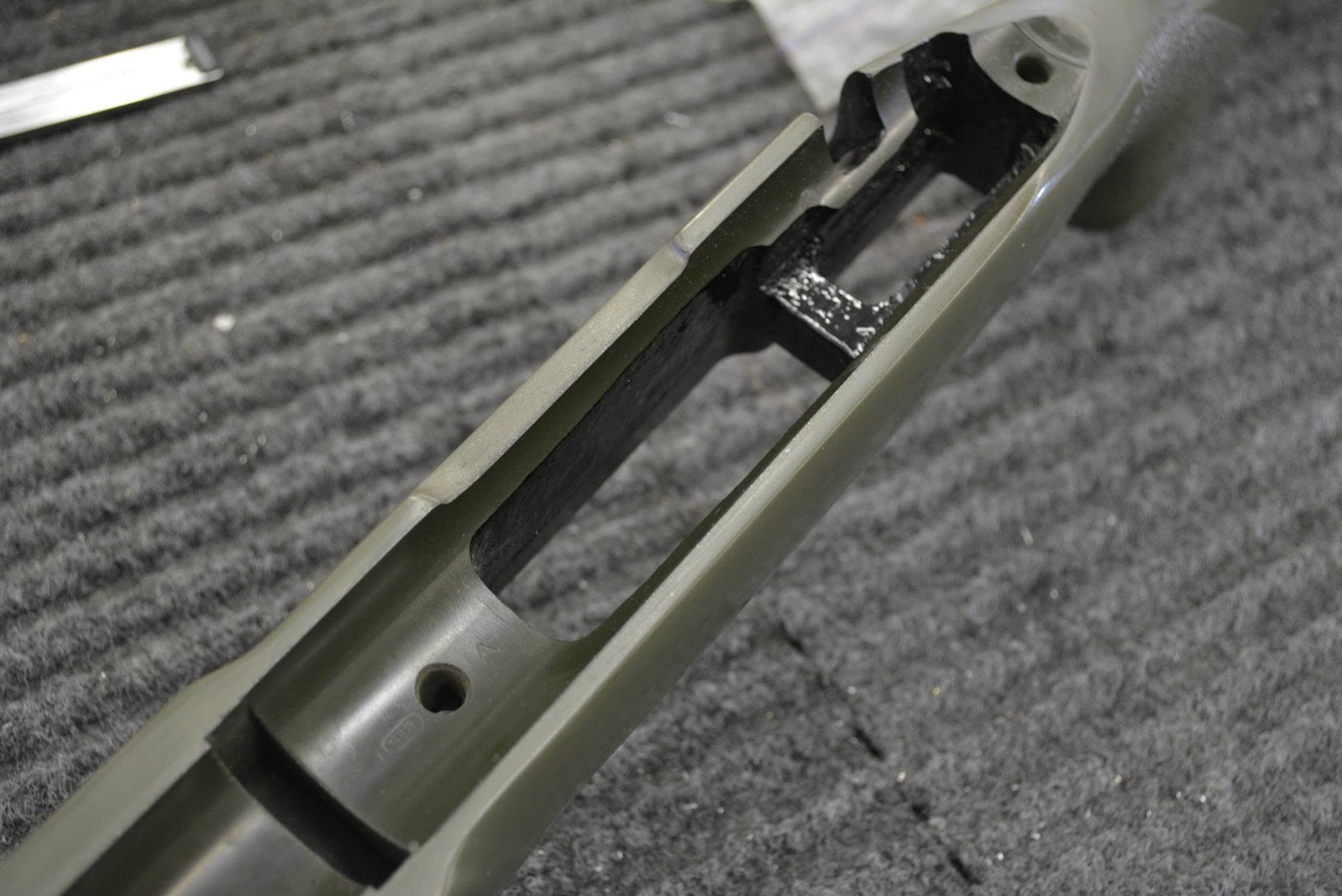
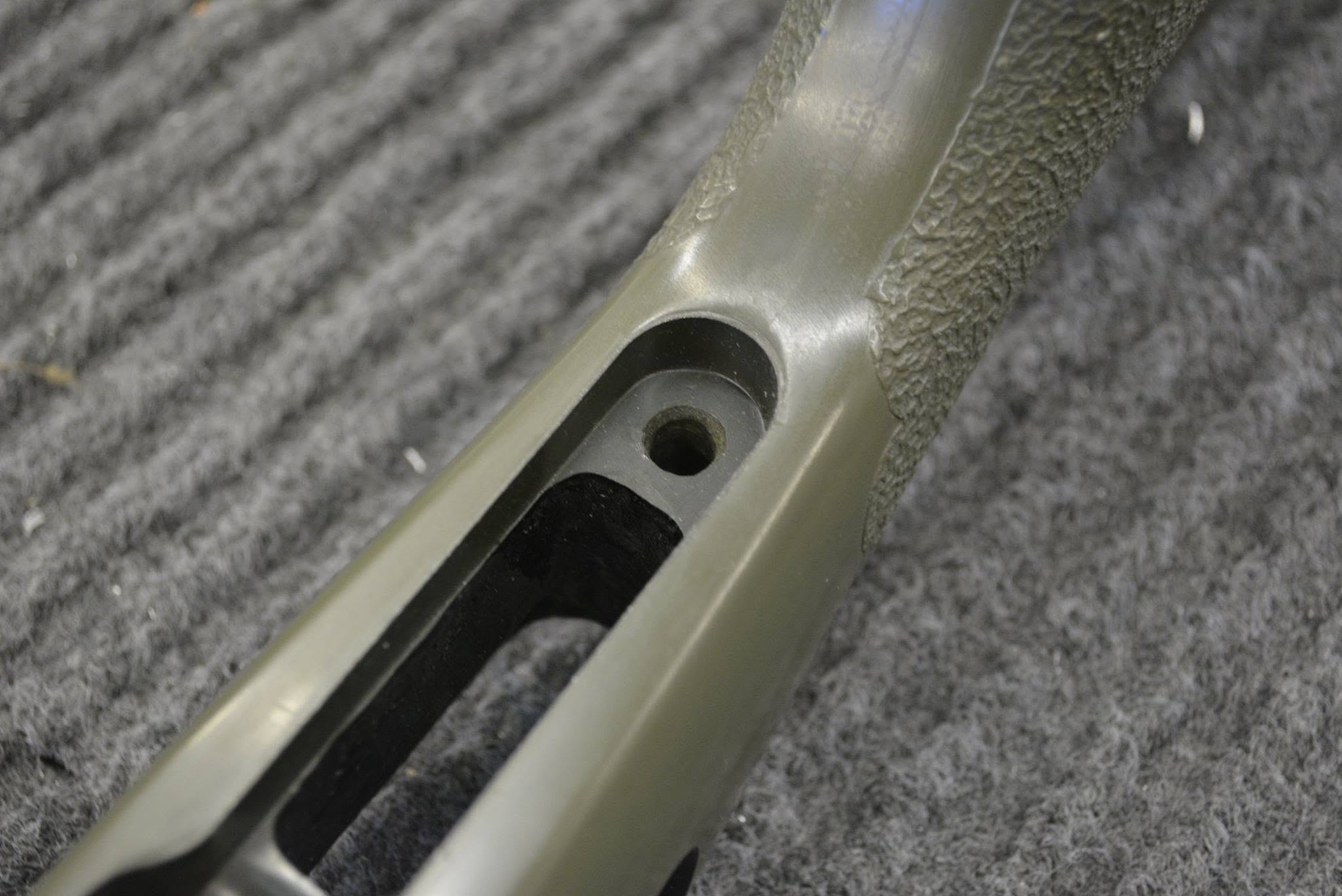
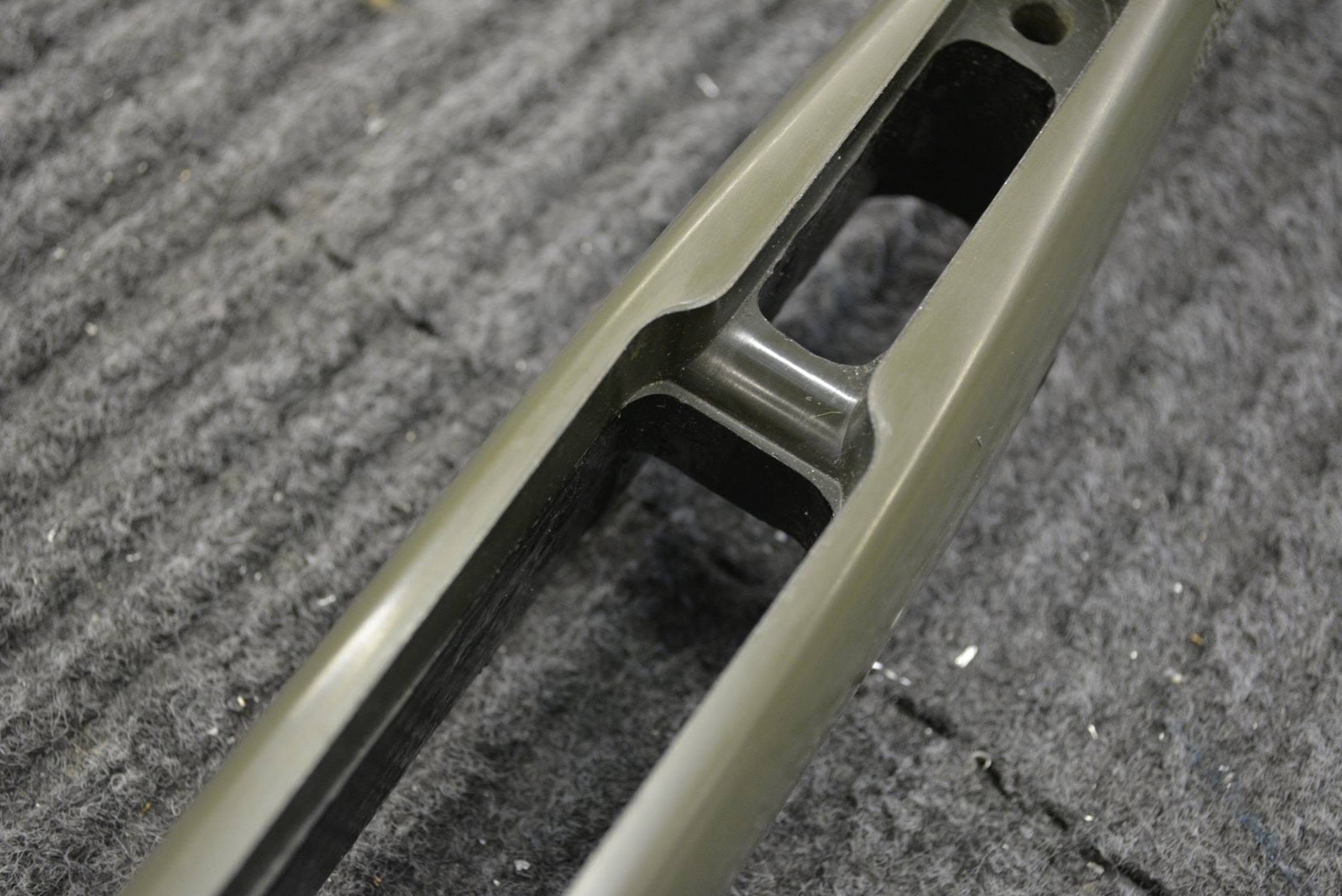
Skin bedding is a service that is often viewed as the industry standard when fitting a barreled action to a rifle stock. The action is cast in the stock using the existing inlet features. Attention is paid to ensure the receiver lives in a tension-free “nest” so that recoil from shot to shot is transferred to the stock consistently.
We take it a step further by using a milling center to finish the cosmetic cleanup work once the casting is made. It offers no performance gain, but it does finish with a clean presentation.
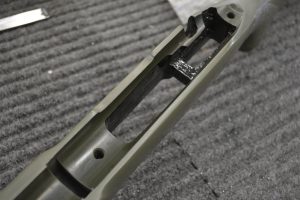
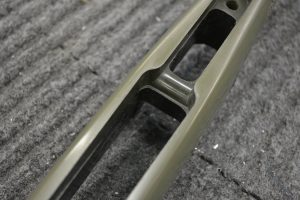
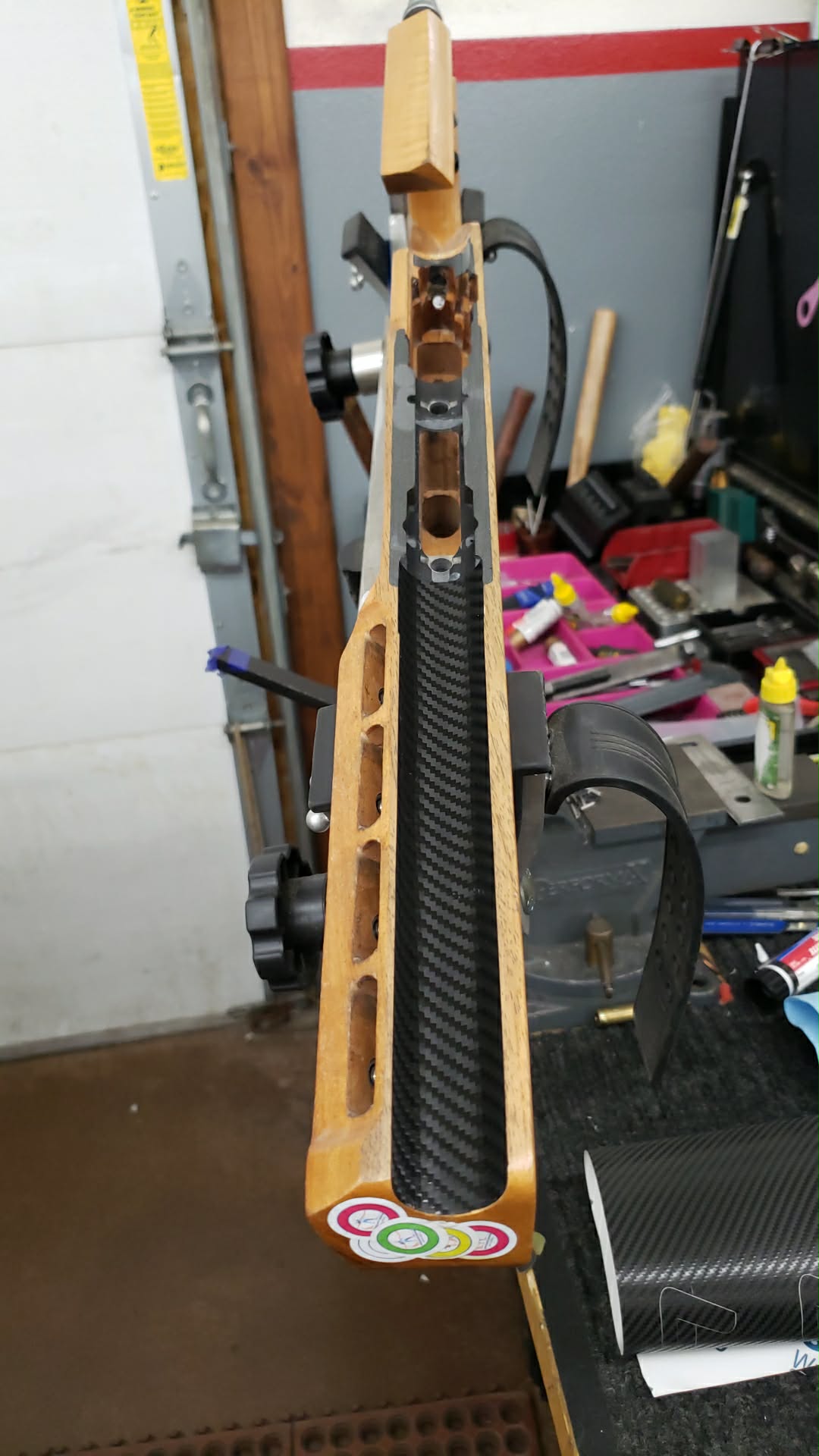
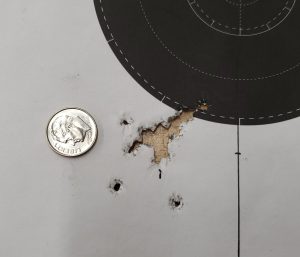
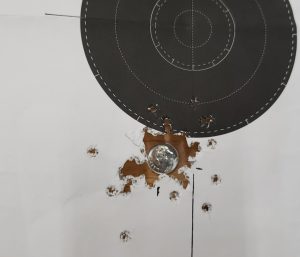
The performance gain from bedding a stock has been a topic of debate on more than one public discussion. Chassis stock popularity has caused many to question the need of bedding an action and for good reason; a well-made chassis stock has proved that it leaves nothing on the table. The decision between the two largely settles on application. An all-aluminum chassis rifle stock may not be the best choice for an alpine sheep hunting rifle due to weight and how it’ll react to heavy snow fall. (they tend to turn into a popsicle) Performance also matters. Bedding, properly done, does offer an accuracy improvement. The photos below are from 2020 when we were asked to rework a winter biathlon rifle for Mrs. Martha Bellisle, an international level competitor. Her rifle had been recently reworked and was not responding well to the changes. She contacted LRI and we agreed to try and help. The pictures tell the story of before and after. The improvement was significant.
The 22LR serves as an exceptionally good test mule for a discussion like this because a lot of cards are stacked against you. It’s a horrible cartridge design; the bullet lacks any kind of meaningful aerodynamic efficiency, the powder charge is very small and loiters at the bottom portion of the cartridge with the striker pin almost always hitting at 12 o’clock, priming compounds are spun into a small opening with little assurance of even dispersion, and muzzle velocity is approximately 1/3rd the speed of any modern, high-performance centerfire cartridge. This means the bullet loiters in the barrel almost 3x longer, requiring the shooter to be exponentially more diligent with application of marksmanship fundamentals.
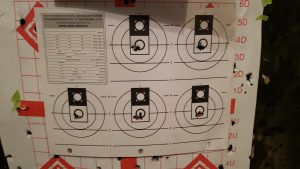
These were sample targets provided Martha as a baseline of how the rifle was performing. The last was done here as verification.
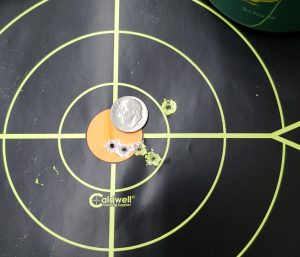
The rifle is an Anschutz Fortner Biathlon. These have a long history of performing well in this discipline. We began by removing all of the previous work and starting over. The existing inlet required extensive machine work to create a usable footprint. We also laminated some carbon in the barrel channel to seal up the exposed wood and to stiffen the forend.
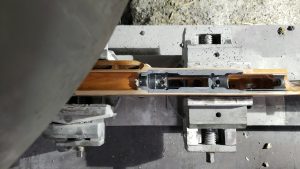
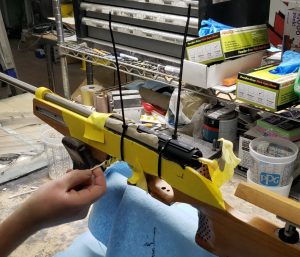
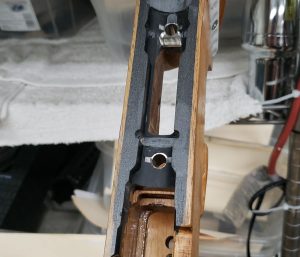
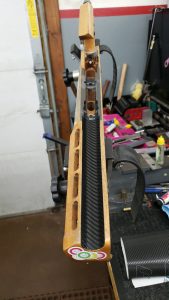
Once completed, post op testing began. We were supplied with an assortment of previously tested lots of ammunition. The rifle and ammunition were placed in a freezer for 4 hours prior to any testing to cold soak. This was also in early January of 2020 in western South Dakota. Testing was at an outdoor range complex with the rifle/ammunition transported in the bed of a pickup. As we are fond of saying, “The bullet always tells the truth.”
5 target, 5 shot groups.
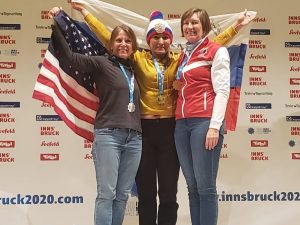
Martha went on later that month to claim 3 silver medals at the World Winter Masters Games in Seefeld, Austria.

Related products
-
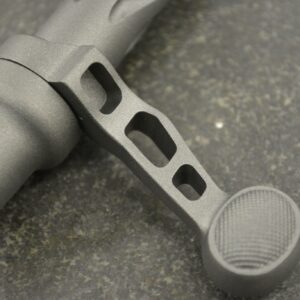
GUNSMITHING SERVICES: Bolt handle skeletonizing for the M700
$150.00 Add to cart -
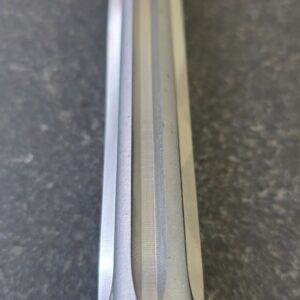
GUNSMITHING SERVICES: Barrel fluting
From $325.00 Configure -
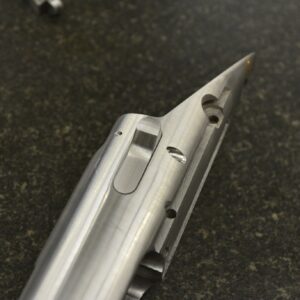
GUNSMITHING SERVICES: LRI Side bolt release and installation
Price range: $165.00 through $175.00 Select options This product has multiple variants. The options may be chosen on the product page -
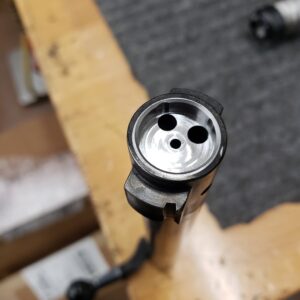
GUNSMITHING SERVICES: Dual ejector conversion for Remington M700, 721, 722, 40X (centerfire), M7, NXP bolts converted to M16 extractor
$110.00 Select options This product has multiple variants. The options may be chosen on the product page