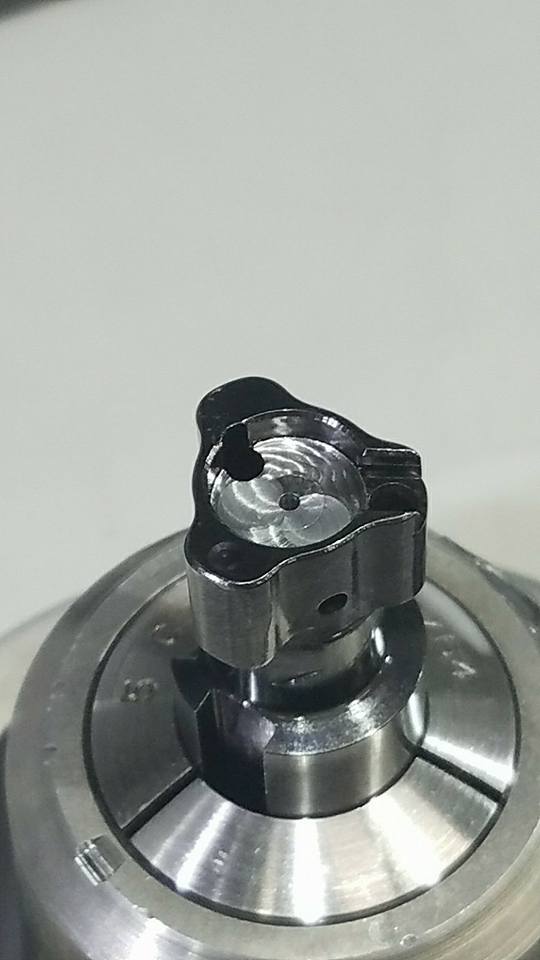
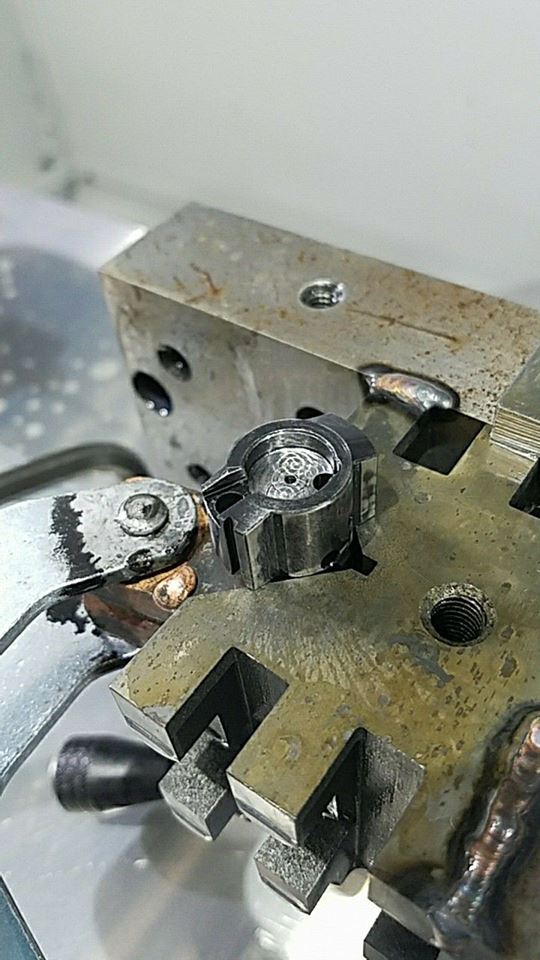
GUNSMITHING SERVICES: Striker pin bushing install for bolt action rifle bolts
From $0.00
Description
A frequent complaint with bolt actions are cratered primers when using factory made ammunition. The root cause of this is from excessive clearance between the striker and the hole through the bolt face. When fired, the primer cup flows into the void and indicates excessive pressure.
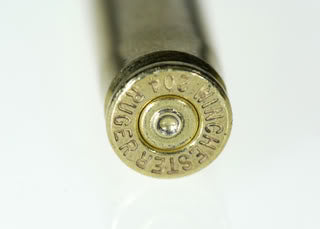
This confirmed when inspecting the radius transition around the circumference of the primer. If it has not been hammered flat, it’s unlikely that the ammunition is exceeding pressure limits. Additional clues are the absence of an ejector mark/swipe on the face of the brass and lack of growth at the case web*.
*a “tick” at the top of the bolt’s rotation is a telltale sign of case web growth due to excessive pressure. Here, installing a bushing around the striker pin to reduce clearance is the answer.
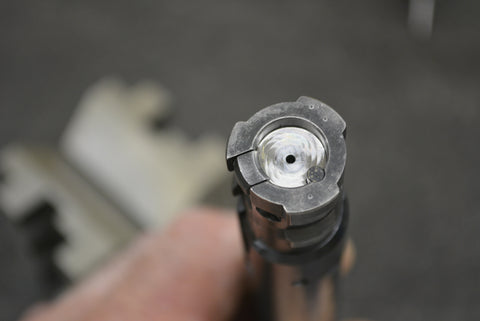
It is important to note that part of this procedure involves a cleanup pass on the face of the bolt. This will alter the headspace dimension of the rifle slightly.
Expect your headspace to grow by .0005″-.0015″ when working with a “healthy” bolt that is free of fire check damage or long-term use.
A half to one and a half thousandths may seem like anything but control of a tolerance. One has to know that bolt faces (from the factory) are not always flat. Removing “just enough” may blend the machine work but leave traces of the original surfaces from the factory. Early on we debated whether or not to leave it in the interest of preserving as much material as possible. In the end it was decided it’s better to clean the surface completely.
This service can also come from an issue that has more consequence. A ruptured primer allows gases to leak from the cartridge uncontrollably. The combination of focused heat and velocity works the same way a cutting torch does. This almost always results in erosion at the tip of the striker and the face of the bolt. We are often approached about restoring a bolt face that suffered this. We do have a restoration process that enjoys a high degree of success. We cannot promise to restore every bolt to “as new” condition, but we will certainly do our best. This level of service is certain to alter the headspace of the rifle so additional work is likely.
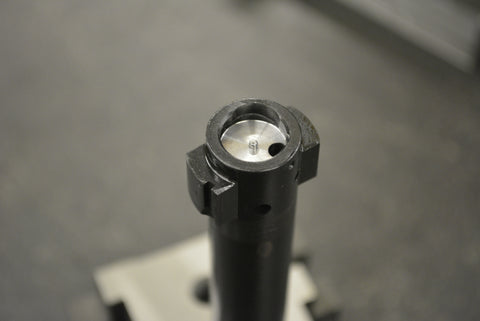
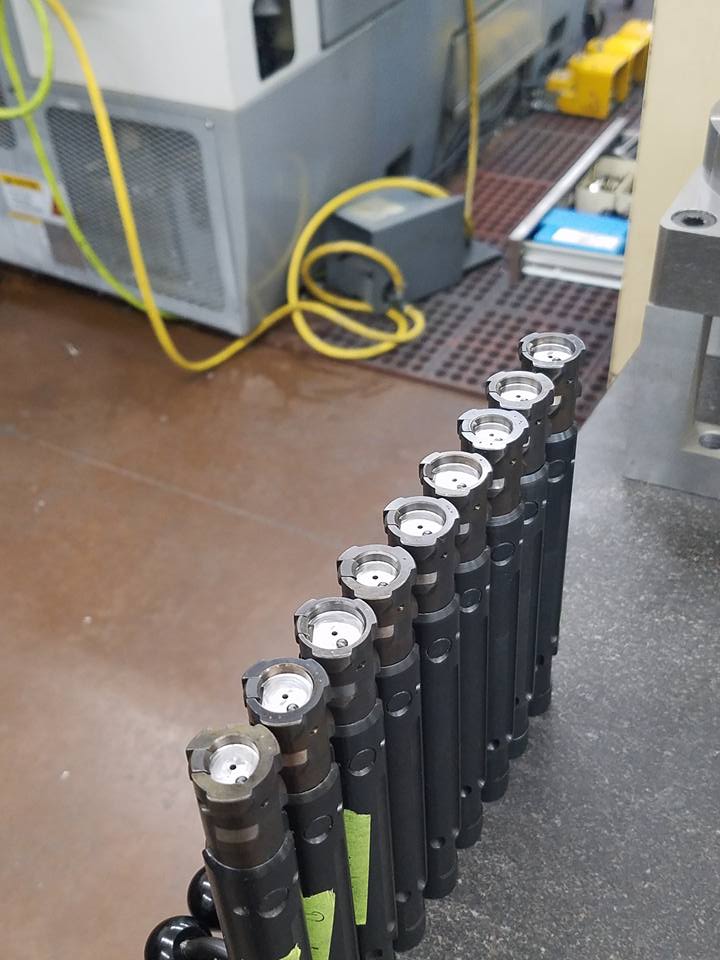
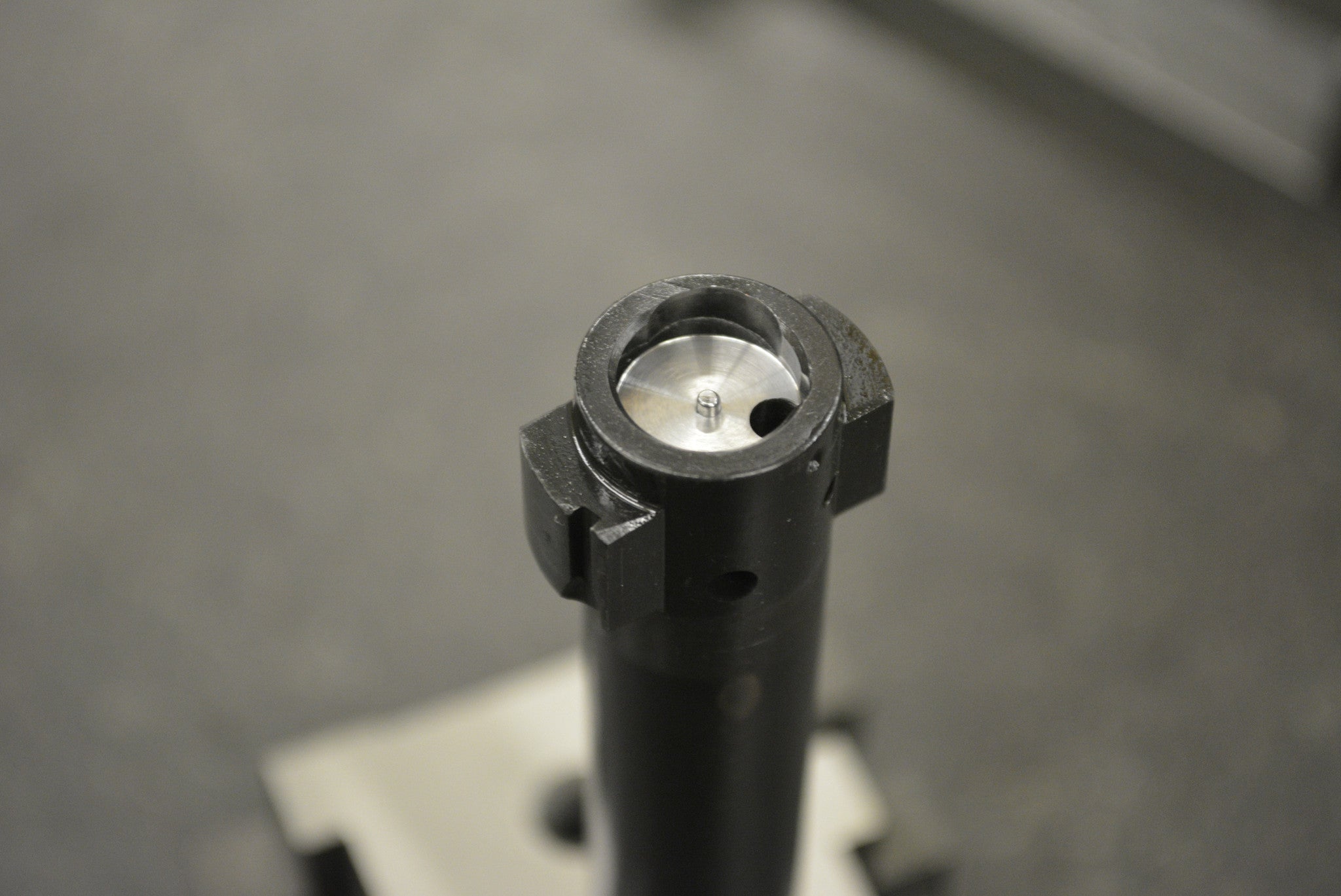
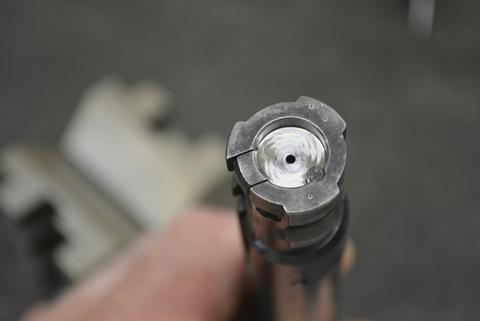
Our bushing process differs from most. We do not poke the bolt face with an endmill and epoxy a puck. Here, the bolt face is threaded to accept a heat-treated machine screw. The countersunk screw head is intentionally left proud of the bolt face. It’s finished by blending to a near seamless fit with the bolt during resurfacing. This creates a strong mechanical bond and virtually eliminates the failure point.
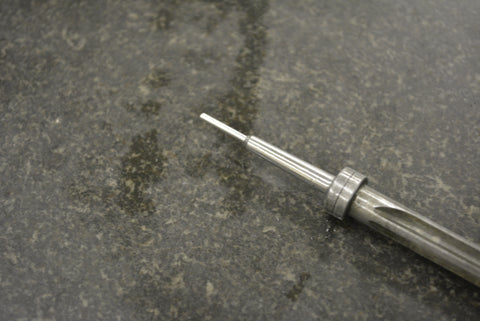
Next, the striker is turned down from .075″ to .0625″, creating a smaller impact crater on the primer. Striker protrusion from the bolt face is also inspected and set to run within a tolerance range of .055″ +0/-.003″.
Additional information
| Action | M700, Accuracy International, WINCHESTER M70, BERGARA ACTIONS, M7 REMINGTON, HOWA 1500, RUGER RPR, TIKKA T3, AR 10/AR 15, Cooper, Nesika, Other |
|---|
Related products
-
GUNSMITHING SERVICES: Tombstone recoil lug retrofit to Tikka action (inlcudes lug)
$175.00 Add to cart -
GUNSMITHING SERVICES: Clip slotting M700 for M40 style optic base
$265.00 Select options This product has multiple variants. The options may be chosen on the product page -
GUNSMITHING SERVICES: Barrel fitting
From $375.00 Configure -
GUNSMITHING SERVICES: Ruger RPR barrel removal and installation
$125.00 Add to cart